In this week's reading of our blog posts on "Child Mind Institue" an article written by Caroline Miller, is an article that disscuss the term "Nuerodiversity" in the context of a school setting. She goes into detail with emphasizing strengths in neurodiversity students and how they are facing challenges in their school settings. Here in this blog I will pick 3 quotes and explain them in this blog.
(Quote: 1) "Some children are now diagnosing themselves with conditions that fall under the umbrella of neurodiversity, seeing a potential diagnosis as a way to validate their experiences."
This quote is pointing out how a lot of kids and teens today turn to self-diagnosis as a form of self-understanding. When you don’t fit in, struggle to focus, feel overwhelmed by noises or social situations, it can be really comforting to find a label that explains those feelings. For many young people, thinking “Maybe I’m autistic,” or “Maybe I have ADHD,” is less about chasing a trend and more about trying to validate the fact that something genuinely feels different in their daily life
(Quote: 2) "Being a strength-based therapist means that I look at the strengths of the family, and of the individual,” said Dr. Lee. “And then I think, ‘How can I take this unique individual’s strengths and use them to breathe life into an evidence-based treatment?’
This quote shows a very different approach from the usual “fix the broken parts” mindset. Instead of seeing the child or family as a bundle of problems, Dr. Lee starts by asking, “What are this person’s strengths?” Maybe a kid with ADHD is incredibly creative, has intense focus when they’re interested in something, or is great at thinking in big-picture idea
(Quote: 3) "Neurodiversity, she says, has become something many people, especially adolescents, are increasingly comfortable identifying with. For kids around middle-school age who are struggling socially, identifying as neurodiverse can be a way to make sense of what they’re going through"
This quote explains why the language of neurodiversity has become so popular, especially among middle-schoolers and teenagers. Those years are already awkward, but for kids who are truly struggling socially missing cues, feeling overwhelmed in groups, or constantly feeling “out of sync”
Reflection/Questions/Comments To Share:
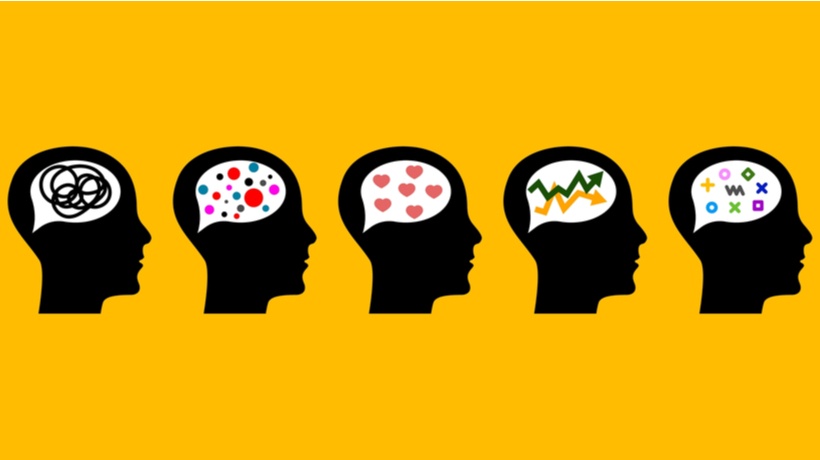
Neurodiversity to me felt like a simple concept where it just a phenomenon where people think differently, but this article showed me that it is way more than that, and it can affect and impacted individual's lives heavily.


No comments:
Post a Comment